Why Do You Need an EICR? Exploring the Importance of Electrical Installation Condition Reports
In the realm of electrical safety, vigilance is paramount. Whether you’re a homeowner, landlord, or business owner, the integrity of your electrical installations directly impacts the safety of occupants and the protection of valuable assets. Amidst this imperative, Electrical Installation Condition Reports (EICRs) emerge as indispensable tools for ensuring compliance, mitigating risks, and safeguarding lives and property. Let’s delve into why you need an EICR and the pivotal role it plays in maintaining electrical safety standards.
Ensuring Compliance with Regulations
Regulatory compliance is a cornerstone of electrical safety. Various regulations, such as the Electricity at Work Regulations 1989 (UK), impose legal obligations on property owners and employers to maintain electrical installations in a safe condition. EICRs serve as a means of fulfilling these obligations, providing documented evidence of compliance with regulatory requirements. By conducting regular EICR inspections, you demonstrate a commitment to upholding safety standards and mitigating potential liabilities.
Identifying Potential Hazards
Electrical installations, like any other system, are susceptible to wear, tear, and degradation over time. Faulty wiring, damaged components, or outdated equipment pose significant hazards, including the risk of electric shocks, fires, and disruptions. EICRs offer a systematic approach to identifying these hazards, conducting comprehensive inspections of electrical systems and pinpointing areas of concern. By detecting potential issues early on, EICRs enable proactive maintenance and corrective measures, minimising the likelihood of accidents and ensuring uninterrupted operations.
Protecting Lives and Property
The safety of occupants and property is paramount. Electrical accidents can result in injuries, fatalities, and extensive damage to buildings and belongings. EICRs play a crucial role in mitigating these risks by assessing the condition of electrical installations and highlighting any deficiencies or safety hazards. Whether you’re a homeowner seeking to safeguard your family or a business owner prioritising employee well-being, investing in regular EICR inspections is an essential step towards creating a safe and secure environment.
Facilitating Informed Decision-Making
Knowledge is power, especially when it comes to electrical safety. EICRs empower property owners and stakeholders with valuable insights into the condition of their electrical installations. Detailed reports generated from EICR inspections provide a comprehensive overview of findings, including any defects, deviations from standards, or recommendations for remedial action. Armed with this information, property owners can make informed decisions regarding necessary repairs, upgrades, or maintenance strategies, optimising the performance and longevity of their electrical systems.
Meeting Insurance Requirements
Insurance providers often require evidence of electrical safety measures as part of their risk assessment process. Valid EICR certificates serve as proof of compliance with safety standards and may be necessary to obtain or renew insurance policies. By prioritising EICR inspections, property owners not only enhance safety but also ensure continued insurance coverage and financial protection against potential liabilities arising from electrical incidents.

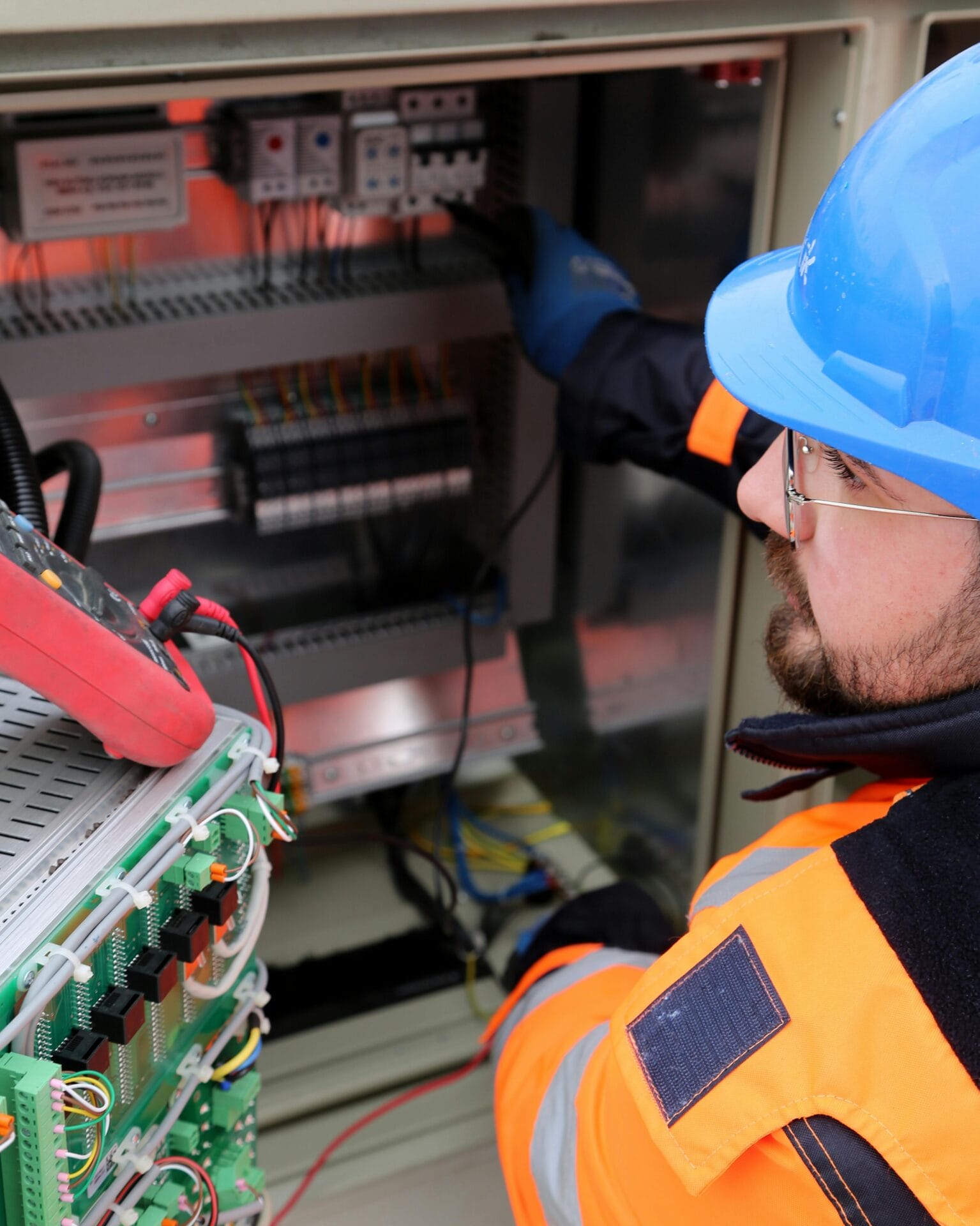
The importance of Electrical Installation Condition Reports cannot be overstated. From ensuring regulatory compliance to mitigating risks and protecting lives and property, EICRs are essential tools in the realm of electrical safety. At Your Electrical Safety, we understand the significance of EICRs in maintaining a safe and secure environment for our clients. With our expertise, dedication, and commitment to excellence, we offer proficient EICR inspections tailored to your needs.
Schedule an EICR with us today and experience peace of mind knowing that your electrical installations are in safe hands.