When it comes to protecting lives and property, fire alarms are one of the most important safety systems you can install in a building. Yet many people are unsure about what actually happens when a fire alarm is triggered. What is a Fire Alarm Activation? Simply put, it is the process of a fire alarm system detecting a potential fire and alerting occupants to evacuate. But there’s more to it than just a loud siren or flashing light. In this article, Your Electrical Safety explains how fire alarm activations work, what can cause them, and why professional installation and maintenance are essential.
Understanding Fire Alarm Activation
A fire alarm activation occurs when the system detects smoke, heat, or manual input from a call point (the red “break glass” units you see on walls). Once triggered, the system sends out visual and audible alerts throughout the building, notifying occupants of the need to evacuate immediately.
The purpose of a fire alarm activation is twofold:
- Life safety – Giving people enough time to escape.
- Property protection – Alerting the fire service quickly to limit damage.
Modern fire alarm systems may also be linked to emergency lighting, sprinklers, and monitoring services that automatically alert the fire brigade.
What Can Trigger a Fire Alarm Activation?
There are several reasons a fire alarm might activate:
- Smoke detection: Smoke detectors sense airborne particles from fire or combustion.
- Heat detection: Heat sensors activate if the temperature rises beyond a certain threshold.
- Manual call points: Occupants can trigger the alarm by breaking the glass in a manual unit.
- System faults or testing: Sometimes, maintenance checks or faults can cause an alarm activation.
- False alarms: Steam from showers, cooking fumes, or even aerosol sprays can occasionally set off smoke detectors.
Understanding the cause of an alarm activation is important, as frequent false alarms can reduce trust in the system and disrupt daily operations.
Why Fire Alarm Activation Matters
Every second counts during a fire. Fire alarm activations are designed to give occupants as much time as possible to exit safely. In the UK, fire alarm systems must comply with BS 5839 standards, which outline how systems should be designed, installed, and maintained.
When an alarm activates:
- People inside the building should evacuate immediately.
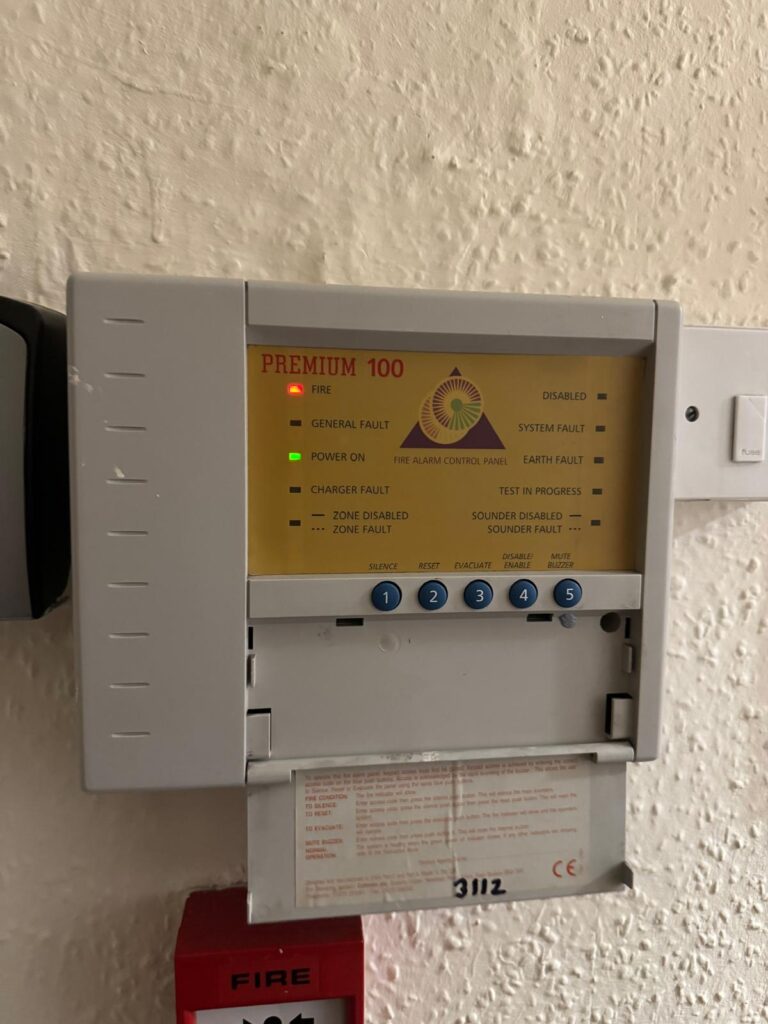
- Trained staff or fire wardens should check the fire panel to identify the source.
- If linked to a monitoring centre, the fire service may be dispatched automatically.
Without a properly functioning fire alarm system, the risk of injury, loss of life, and property damage increases significantly.
The Importance of Professional Installation
A fire alarm is only as reliable as its design and installation. At Your Electrical Safety, we specialise in professional fire alarm installation, ensuring systems meet legal requirements and provide full coverage for your premises. We carefully assess your property to determine the correct type of system, whether it’s a conventional fire alarm, an addressable system, or wireless detection.
Poorly installed systems can result in missed activations, delayed warnings, or frequent false alarms—all of which put people at risk. That’s why businesses and homeowners trust Your Electrical Safety to deliver high-quality solutions tailored to their needs.
Regular Maintenance and Testing
Fire alarms require regular servicing to remain reliable. A fire alarm system that hasn’t been tested or maintained properly might fail to activate during an emergency.
Routine maintenance includes:
- Checking detectors and call points.
- Testing the sounders and beacons.
- Inspecting batteries and backup power supplies.
- Reviewing the system log for past activations.
Your Electrical Safety provides ongoing support and maintenance contracts, ensuring that your fire alarm system remains compliant and fully functional year-round.
Responding to a Fire Alarm Activation
If you ever hear a fire alarm activation, the steps are straightforward:
- Do not ignore it – Even if you suspect it’s a false alarm.
- Evacuate immediately – Use the nearest exit and avoid lifts.
- Follow your fire safety plan – Head to the designated assembly point.
- Wait for clearance – Never re-enter the building until authorised personnel confirm it is safe.
By treating every activation seriously, you protect yourself and others from harm.
Why Choose Your Electrical Safety?
At Your Electrical Safety, we are committed to keeping businesses, landlords, and homeowners safe. Our expert team provides:
- Professional fire alarm installation.
- Routine system testing and maintenance.
- Expert advice on compliance with UK safety standards.
- Peace of mind that your property and people are protected.
When it comes to fire safety, cutting corners is never worth the risk. With our trusted services, you can be confident that your fire alarm system will work exactly as it should during a critical moment.
Final Thoughts
So, what is a fire alarm activation? It’s the critical first step in alerting occupants of danger and giving them time to escape safely. Whether triggered by smoke, heat, or manual input, a fire alarm activation is a life-saving event that relies on professional installation and regular maintenance.
At Your Electrical Safety, we ensure your fire alarm system is reliable, compliant, and tailored to your property. Contact us today to discuss your fire alarm needs and keep your premises protected.