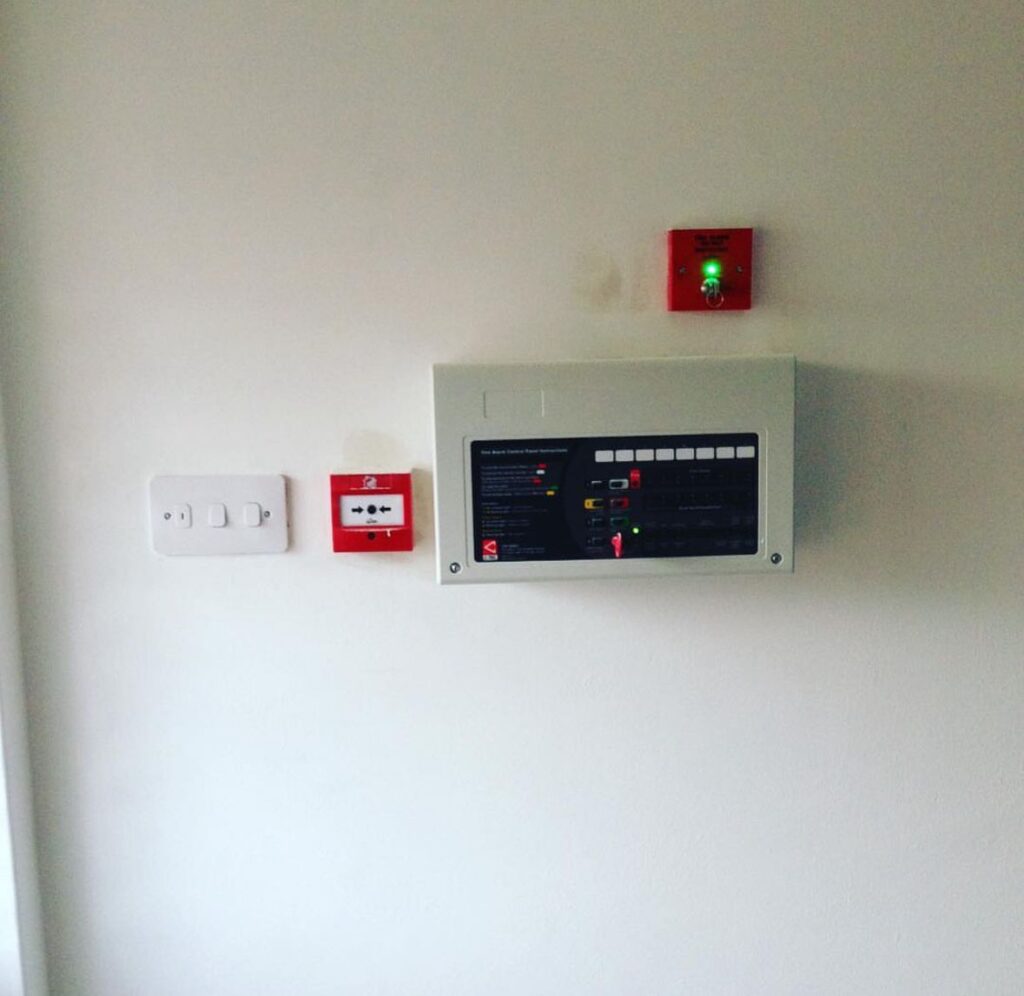
At Your Electrical Safety, we understand that fire alarms are a cornerstone of protecting your home or business. They serve as the first line of defense in alerting occupants to danger and providing precious moments to evacuate safely. However, even the most robust fire alarm systems require maintenance, upgrades, and eventual replacement to ensure they remain effective. Here, we explore the importance of fire alarm replacements and what you need to know to keep your property safe.
Why Replace Fire Alarms?
1. Lifespan of Fire Alarms
Fire alarms have a limited lifespan, typically around 10 years for most models. Over time, the internal components can degrade, leading to reduced sensitivity and reliability. Replacing aging units ensures that your alarms remain functional and dependable.
2. Technological Advancements
Modern fire alarm systems offer improved features such as:
- Enhanced smoke and heat detection capabilities
- Integration with smart home or building management systems
- Wireless connectivity for easier installation and monitoring Replacing older units with advanced models can provide better protection and convenience.
3. Regulatory Compliance
Fire safety regulations evolve over time. Outdated fire alarms may no longer meet current codes, which could pose liability risks. Upgrading to compliant systems ensures your property aligns with the latest safety standards.
Signs It’s Time to Replace Your Fire Alarms
Frequent False Alarms
If your fire alarms are triggering without cause, it could indicate a malfunction or sensor deterioration.
Inconsistent Functionality
Alarms that fail to sound during tests or only work intermittently are unreliable and should be replaced immediately.
Visible Wear and Tear
Discoloration, corrosion, or damage to the alarm casing can signal internal issues.
Expired Units
Check the manufacture date printed on the alarm. If it’s over 10 years old, it’s time for a replacement.
Steps to Replacing Fire Alarms
1. Assessment of Current Systems
Begin with a thorough inspection of your existing fire alarm setup. Determine which units need replacement and identify any gaps in coverage.
2. Selecting the Right Alarms
Choose alarms that suit your property’s needs. Options include:
- Ionisation or photoelectric smoke alarms
- Heat detectors for areas like kitchens and garages
- Combination units that detect multiple threats
3. Professional Installation
While DIY installation might seem cost-effective, hiring a professional ensures correct placement, adherence to regulations, and proper system integration.
4. Regular Testing and Maintenance
After replacement, test your alarms monthly and replace batteries annually. Schedule periodic inspections to ensure continued functionality.
Benefits of Replacing Fire Alarms
- Improved Safety: New alarms reduce the risk of malfunction and provide better protection.
- Peace of Mind: Knowing your fire alarm system is up-to-date helps you feel secure.
- Increased Property Value: Updated safety systems are a selling point for potential buyers or tenants.
Partner with Your Electrical Safety for Fire Alarm Replacements
Replacing fire alarms is not just a task—it’s a critical investment in safety. At Your Electrical Safety, we specialise in assessing, installing, and maintaining fire alarm systems tailored to your needs. Our team of experts ensures compliance with regulations and delivers top-notch service, giving you confidence that your property is protected.
Contact us today to schedule an assessment and upgrade your fire alarm system. Safety is not optional—it’s essential.